

Ready
Beylikdüzü, Istanbul
Grden Flora
Beylikdüzü
Citizenship by Investment
The most-used route, in mechanical detail — the current minimum, what counts as a qualifying property, and how the valuation is assessed.
The route
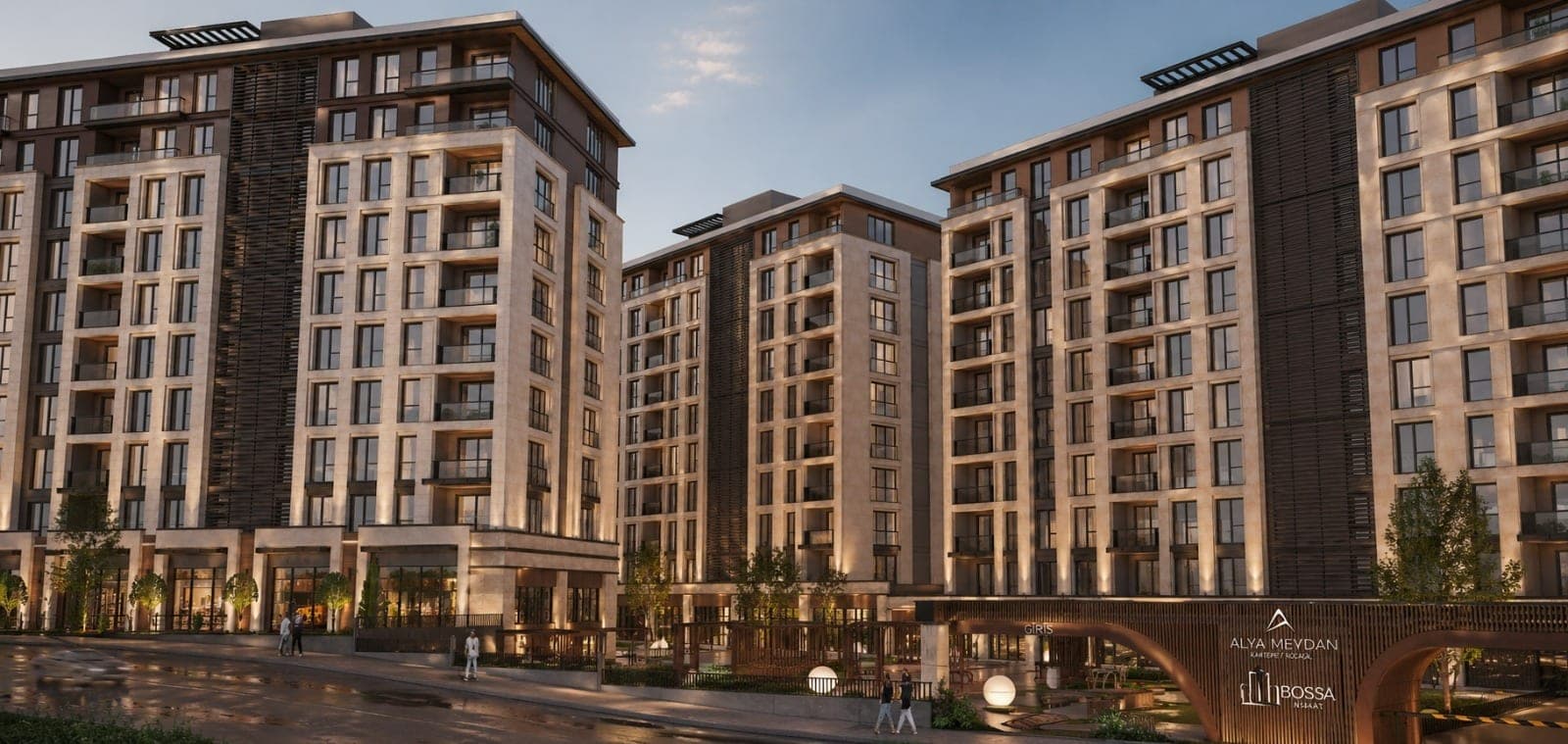
Most people who obtain Turkish citizenship by investment do it through property. The reason is simple: unlike a contribution that leaves your hands, a qualifying property stays yours. You hold a title deed, you can live in it or let it, and after the restriction period you can sell it.
The mechanism itself is narrow. You buy property that meets a minimum value, an official valuation confirms that value, a restriction is recorded on the title deed preventing resale for a set period, and your application is assessed on that basis. Your spouse and children under 18 are generally included in the same application — the case-specific documents around family status are set out on the requirements page.
What the route does not do is produce a decision on its own.
A qualifying investment gives you the right to have an application assessed. It does not, by itself, produce a decision.
The figure
The published minimum for the real-estate route is USD 400,000, or the equivalent in foreign currency. The value is measured in US dollars even where the purchase itself is settled in Turkish lira, and the amount that counts is the one established by the official valuation — not the figure written on the contract. Which day’s rate applies in a given file is procedural.
Official source · implementing regulation on the Turkish Citizenship Law · last checked July 2026
Almost everyone who searches for this figure adds a year to the search — “2024”, “2025”, “2026”. That is a reasonable instinct rather than a quirk: the threshold has been revised before, and a large share of what is published about it online was written under an earlier rule and never updated. Pages that do not say when they were last checked are the reason people keep adding the year.
So here is the honest version. The figure above is what applies as of the date in the source line. It is set by regulation, not by us, and it can be revised again. If you are reading this some time after that date, treat it as a starting point and confirm it before you plan around it.
| Route | Published minimum | Condition | Authority |
|---|---|---|---|
| Real estate | USD 400,000 or equivalent | Title-deed restriction preventing resale for at least three years | Environment, Urbanization and Climate Change / land registry |
| Bank deposit · government bonds · investment fund · job creation | See the routes comparison | Conditions differ per route | Varies |
Figures for the other routes are kept on one page so they cannot drift apart — see Turkish citizenship by investment.
Search results for this figure age badly. This page carries the date it was last checked — if you are reading it later, ask an advisor to confirm before you plan around it.
The collection
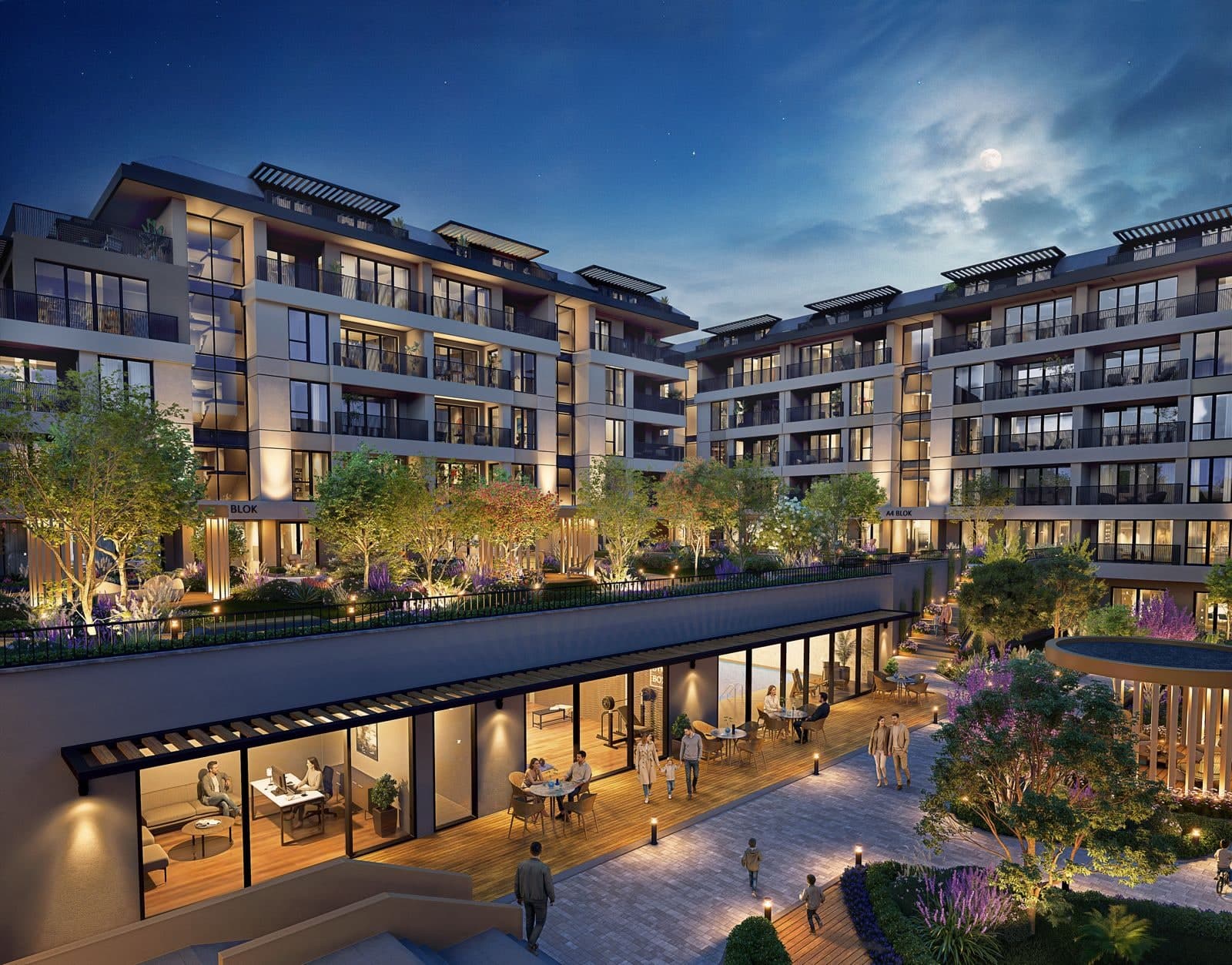
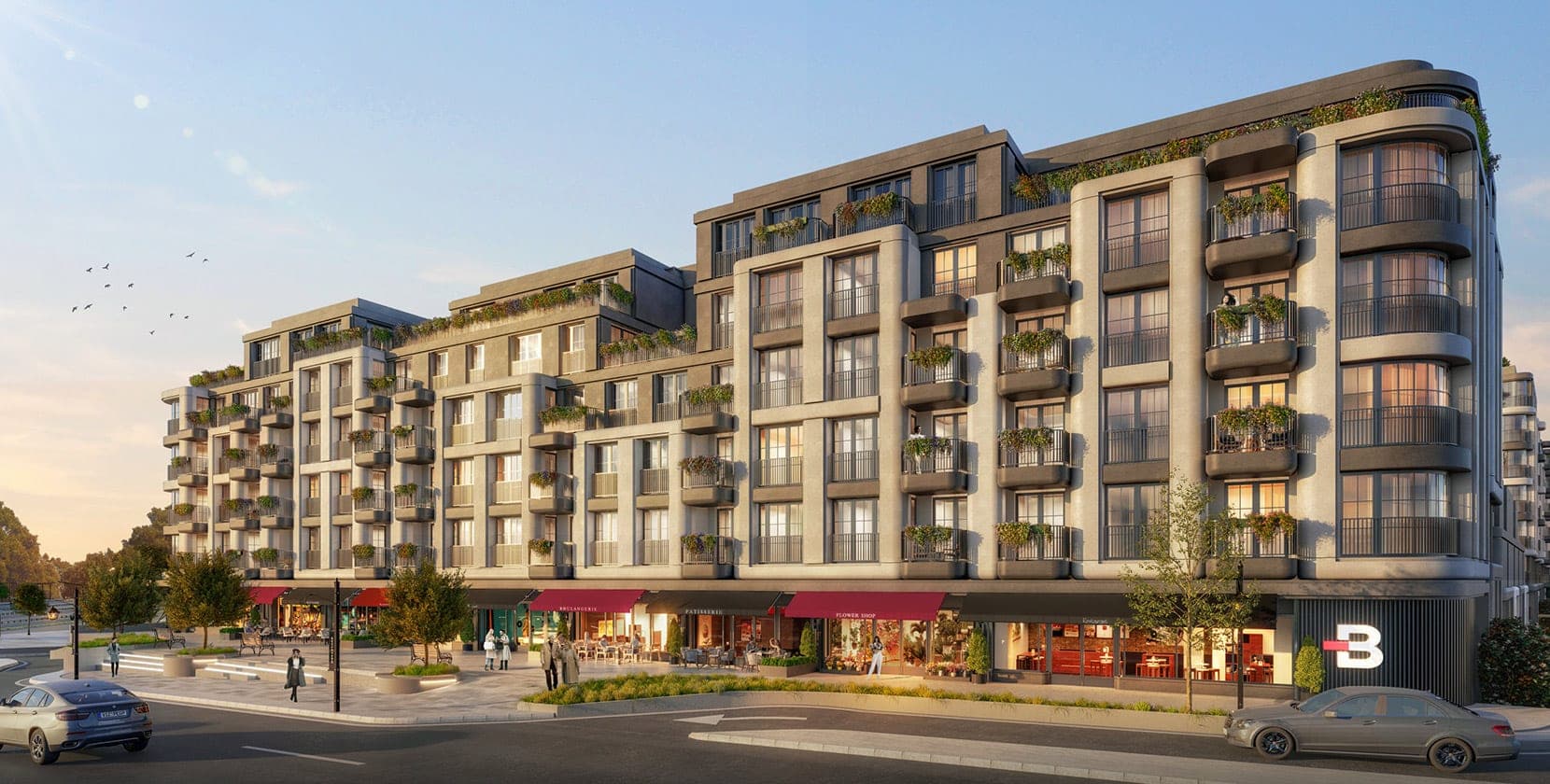
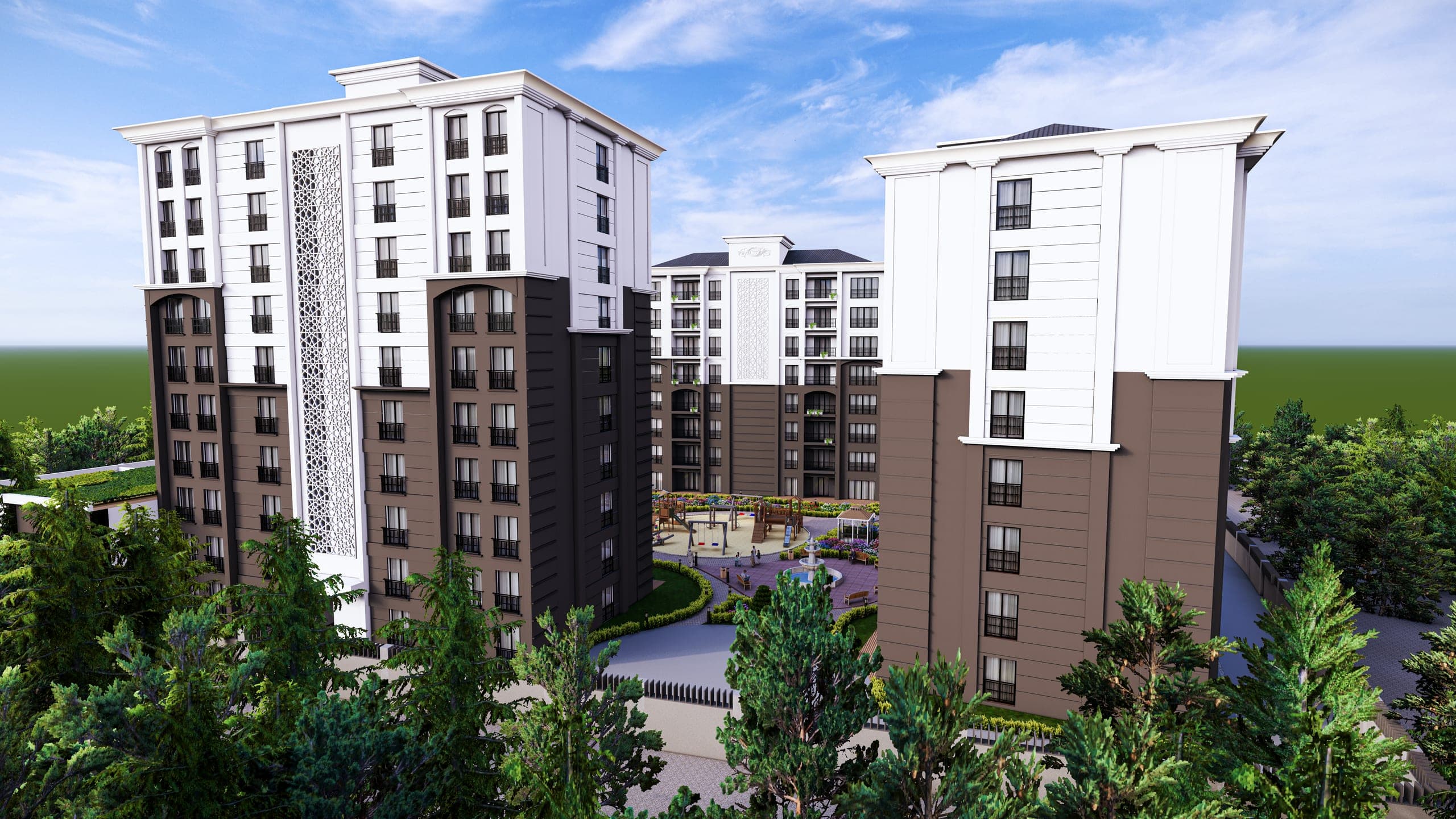
This is the part the rest of the cluster cannot show you. Our current collection includes projects we have marked as citizenship candidates — records where the property type and title structure are consistent with the route, and where we hold the project documentation needed to start a check.
Everything published here is in Istanbul, across the districts where we hold real depth. We do not list markets we cannot serve, so you will not find a nationwide spread on this page — you will find the city where our inventory actually is.
Beylikdüzü, Istanbul
Beylikdüzü
Küçükçekmece, Istanbul
Küçükçekmece
Başakşehir, Istanbul
Başakşehir
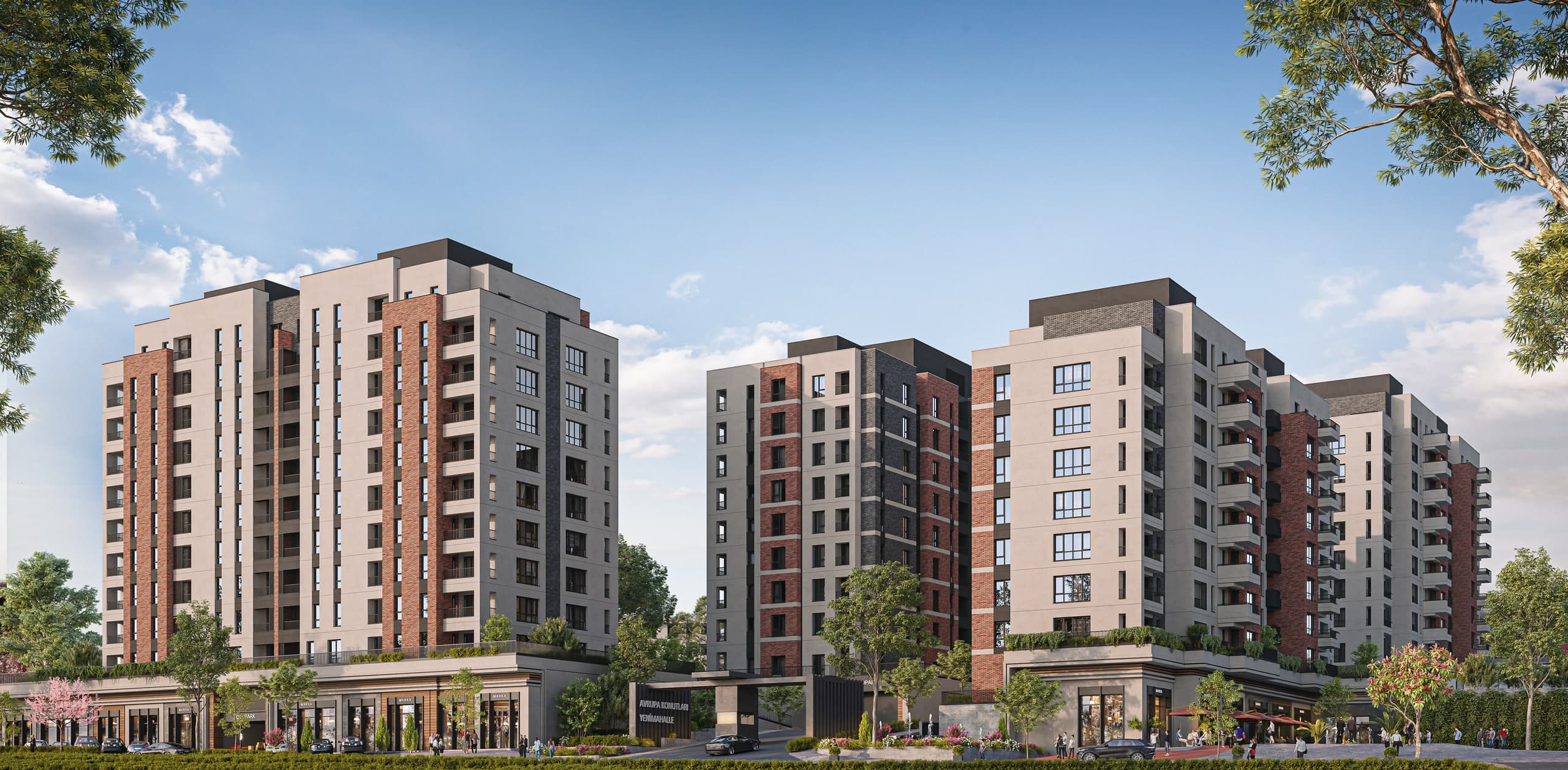
Bağcılar, Istanbul
Bağcılar
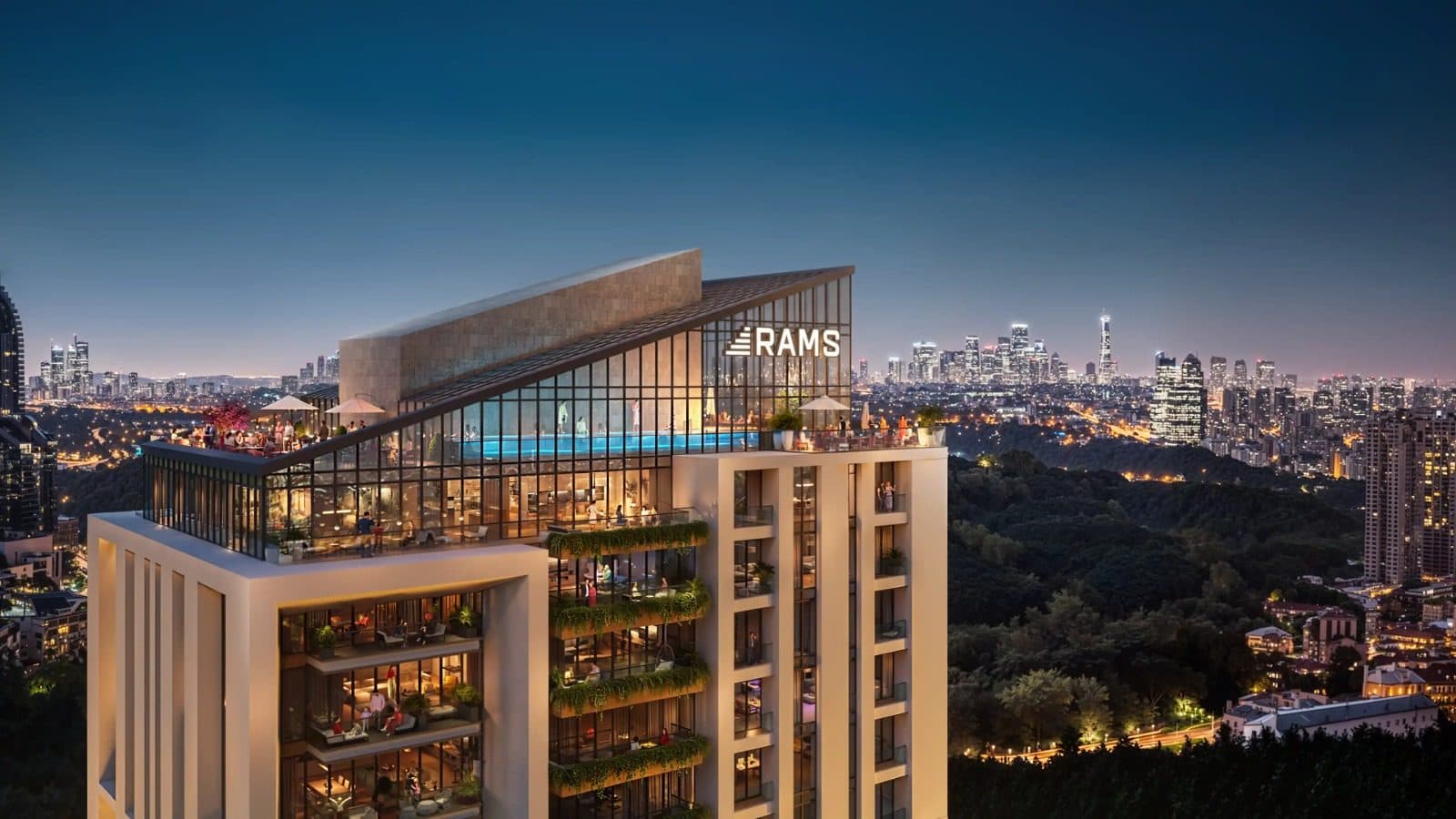
Sarıyer, Istanbul
Sarıyer

Zeytinburnu, Istanbul
Zeytinburnu
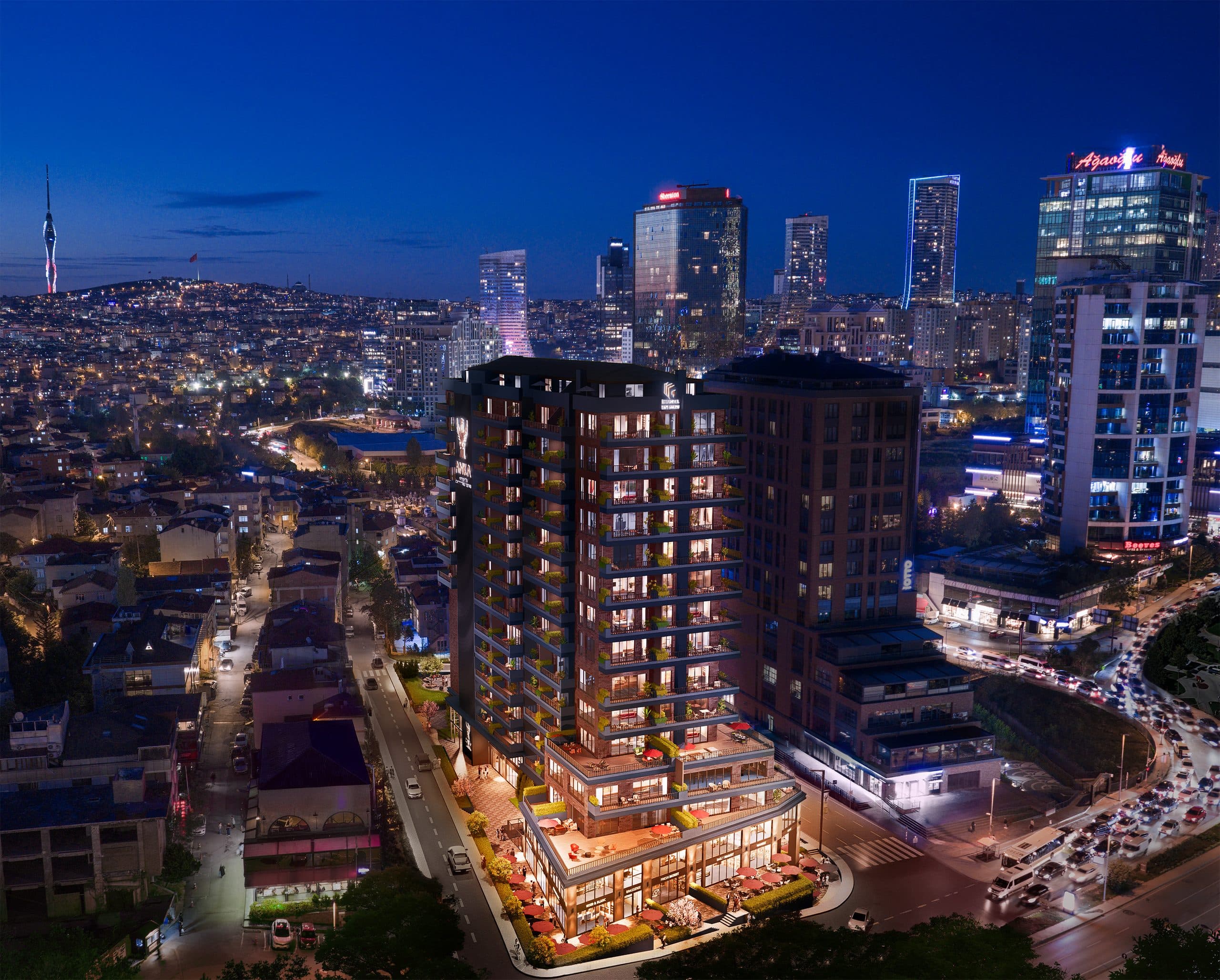
Ataşehir, Istanbul
Ataşehir

Büyükçekmece, Istanbul
Büyükçekmece
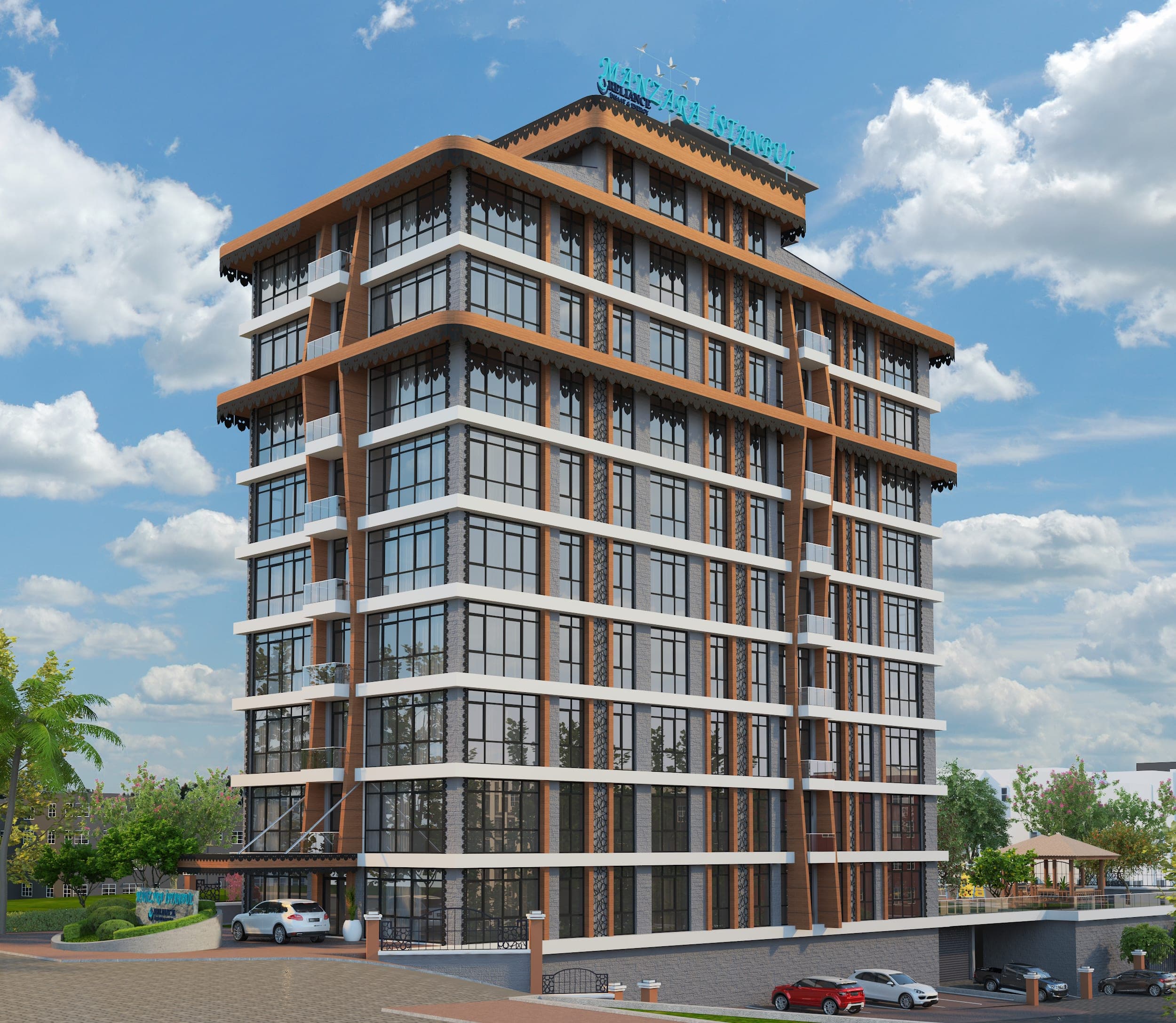
Kağıthane, Istanbul
Kağıthane
Showing 9 of 135 candidate projects, spread across 9 districts.
Two things about these cards are worth reading carefully.
First, “candidate” is not “confirmed”. A property can look right on type, value and structure and still fail a check on something specific to that title — an annotation, a zoning detail, the stage of construction. That is why every card carries a request rather than a claim.
A listing marked as a citizenship candidate has passed our internal check on type and structure. Final eligibility is property-specific and is confirmed by the official valuation and your advisor before you commit.
Second, prices are not published. Figures for these projects are shared on application and confirmed with an advisor before anything is agreed. We would rather quote you a current number than leave a stale one on a page.
A large share of this collection is under construction rather than ready to move. That is normal for the Istanbul market at this value level, and it raises a real question about title stage that we answer in the FAQ below — see can I buy off-plan?
Where to go from here: the Istanbul apartments collection carries the same records with a district-by-district breakdown, and all published properties is the full list including projects outside this route.
Eligibility works in three layers, and they are easy to confuse because a buyer usually asks about them as one question.
Property type. Residential is the common case, but the route is not limited to it — commercial units can qualify in principle, because the rule is written around immovable property rather than housing specifically. Land and unbuilt plots are treated differently again, and the difference depends on the route: buying outright, they are not excluded as a category, but a foreign buyer takes on development obligations and further acquisition limits; on the notarised sale-promise route they do not work at all, because that route needs a defined unit under construction servitude or condominium title.
Title status. This is where two apparently identical apartments diverge. What matters is what the deed actually records — full ownership of a completed unit, or an interest in a building still being built. The distinction changes the answer, which is why we ask for the deed early. Completed condominium title is not a requirement in itself: a defined unit held under construction servitude can also qualify, provided the other conditions are met.
Location and buyer restrictions. Certain areas are closed to foreign ownership, and some restrictions attach to the buyer’s nationality rather than the property. We check both before a purchase is put forward, and we do not publish a list of areas — an incomplete list is worse than none.
Type is only the first filter. Two identical-looking apartments can differ on title status — which is why eligibility is confirmed per property, not per category.
The two numbers
Every citizenship-route purchase is assessed against an official valuation report, prepared by a licensed appraiser rather than by the buyer or the seller. The threshold is measured against the valuation figure, not against the price you negotiated. The procedure and timing of that valuation is case-based.
This matters because the two numbers do not always agree. A valuation can land below an agreed price — it is a common enough outcome that you should plan for the possibility rather than treat it as an anomaly. If it happens, the gap is yours to close: either the purchase value is adjusted, or the investment falls short of the threshold on paper even though the money left your account.
If the valuation lands below the price you agreed, it is the valuation that counts towards the threshold — not the amount on the contract. Plan with that gap in mind.
We ask for the valuation early rather than at signing, so that a shortfall is a scheduling problem instead of a failed application.
Reaching the threshold with a single property is not the only way. Combining more than one purchase is permitted — the threshold may be reached with more than one property. What is not settled is how a title acquired earlier is treated.
More than one property at once. Permitted, and the properties do not have to be in the same building.
A property you already own. This is the one that surprises people. A purchase made earlier, under an earlier rule or before the application was contemplated, does not automatically count: property bought before 12 January 2017 cannot be used for the investment route at all, and for later purchases the threshold that applies is the one in force on the acquisition date. Reaching today’s figure later does not make an older purchase qualify. Bring the deed and we will tell you where it stands.
Shared or fractional title. Under the current guidance a share in jointly-owned property, acquired on or after 1 February 2023, cannot be used for the exceptional citizenship application. Acquisitions dated before then fall under the transitional treatment — bring the deed and we will tell you where it stands.
After the purchase
The route comes with one continuing obligation: a restriction is recorded on the title deed itself, preventing resale for at least three years. It is not a private undertaking or a clause in a contract — it is an annotation on the deed, visible to anyone who checks it.
Purchase
Title transferred to you
Annotation
Restriction recorded on the deed
Three years
Held, used or let — not sold
Afterwards
Restriction lifted, free resale
When the period starts is a question worth asking precisely, because the answer determines your exit date. It runs from the point recorded on the deed rather than from the day you paid.
During the period you hold the property normally in most respects — living in it or letting it is generally possible. What you cannot do is sell it.
After the period ends the restriction is lifted and the property can be sold like any other. Citizenship already granted is a separate matter from the restriction.
A check, not a pitch
You have probably already chosen this route, so treat this section as a check rather than a sales pitch. Real estate is not automatically the right answer.
| Route | Suits you if… | Less suitable if… |
|---|---|---|
| Real estate | You want the asset itself — something to use, let, or hold | You want the simplest possible exit, or no property to manage |
| Bank deposit | You want a passive, administratively light structure | You want an asset that can be used |
| Investment fund | You are comfortable with a managed financial product | You want direct control over what you hold |
The honest trade-off with property is liquidity and effort. Your capital sits in an asset that takes time to sell, cannot be sold at all for the restriction period, and needs some management in between. In exchange you get something real, in a city you can visit, that does not disappear at the end of the process.
Real estate suits buyers who want the asset itself. If you want the simplest possible exit, another route may fit better — we will say so.
FAQ
Short, direct answers on the real-estate route. Case-specific items are confirmed for your specific purchase rather than published as fixed rules.
USD 400,000, or the equivalent in foreign currency, measured against the official valuation. The figure applies as of July 2026 — it is set by regulation and has been revised before, so if you are reading this later, confirm it before planning around it.
Commercial units can qualify in principle — the rule is written around immovable property, not housing specifically. What settles it is the title status of the specific property rather than its category. The criteria table on the requirements page lists the conditions in full.
The threshold is measured against the valuation figure, so a valuation below your agreed price leaves a shortfall to close — even though the full amount has left your account. We ask for the valuation early so this surfaces before signing rather than after.
Yes — the threshold may be reached with more than one property, and they do not have to be in the same building. What is not settled is how a title acquired earlier is treated, which is why a property you bought before does not automatically count. Bring the deeds to a first review.
The period runs from the point recorded on the title deed rather than from the day you paid, and letting the property during the period is generally possible. Both are worth confirming for your specific purchase, because the first sets your exit date and the second affects your use of the property in the meantime.
A significant part of the Istanbul market at this value level is still being built, so this comes up often. The answer turns on what the deed records at the time of the application — full ownership of a completed unit is a different position from an interest in a building under construction, and the two are treated differently. We check the title stage for the specific project before putting it forward, and we will tell you plainly if it does not work for this route.
Note. The published minimum is set by regulation and has been revised before; the mechanics around valuation, the restriction period and construction-stage title are confirmed for your specific purchase with a qualified advisor.
Talk to an advisor
We will check it against the current rules before you commit — type, title status and valuation, in your language, with no obligation.
The published minimum shown is set by regulation and can be revised; case-specific items depend on the specific property and file. Confirm the current position with a qualified advisor before you rely on it.