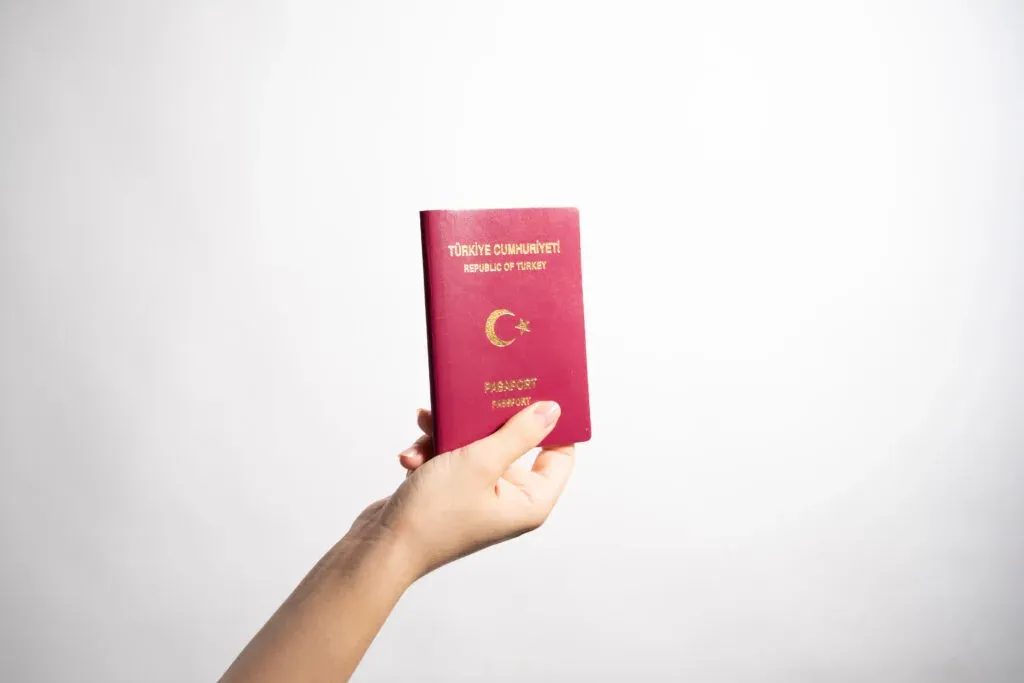


Citizenship
Citizenship
Turkish citizenship by descent, five years' residence, marriage, investment, adoption or getting back a citizenship you gave up. How each route works, who it suits and who makes the decision.

Turkish law gives you two ways to be a citizen: you are born one, which mostly means Turkish citizenship by descent, or you acquire it later. Nearly everything a foreigner can apply for sits in the second group, and inside it there are several separate routes. Each has its own conditions, its own decision-maker and a very different waiting time. Picking the right one is the first real decision, because the paperwork and the risks change completely from one route to the next.
The rules come from the Turkish Citizenship Law No. 5901 and the regulation that implements it. Below we go through every route in plain terms: who it is for, what is asked of you and who makes the call. If you already know your route and want the current checklist, our Turkish citizenship requirements page sets out the criteria in force.

Nobody applies for this. If it applies to you, you are Turkish from the day you are born, and the paperwork only records a fact that already exists.
By descent. A child born to a Turkish mother or a Turkish father is a Turkish citizen from birth, whether the birth happens in Türkiye or abroad. It makes no difference which parent is Turkish. For a child born outside marriage to a Turkish father and a foreign mother, the father's descent has to be legally established first. Families abroad register the birth with a Turkish consulate so the child can get an ID card and passport.
By place of birth. Türkiye doesn't hand out citizenship just because someone is born on its soil. There is one narrow exception, there to stop children ending up stateless: a child born in Türkiye who cannot take any citizenship from their foreign parents is Turkish from birth. A child found in Türkiye is treated as born here unless there is evidence otherwise.
Everyone else acquires citizenship later in life, in one of three ways: by decision of the competent authority, by adoption, or by using a right of choice. Most foreign applicants go through the first. It splits into several routes, set out below.
One point applies to all of them: meeting the conditions makes you eligible to apply, not entitled to a passport. Granting citizenship is a sovereign decision, and the authorities can still say no after a security review.
This is the route for people who have already built a life in Türkiye. The conditions are:
The residence has to be lawful, which in practice means a continuous chain of valid permits. Not every permit type counts the same way, so check your permit history before you apply. Language and character are assessed in an interview with a commission at the provincial directorate. The file then goes to the Ministry of Interior, which decides. This route takes the most patience, but it costs nothing beyond fees and paperwork.

The exceptional route has no residence period and no language test. It is decided by the President on the proposal of the Ministry of Interior, provided there is no national security or public order objection. The law opens it to four groups:
Legally this is part of the exceptional route, but it is the reason most international buyers contact us, so it gets its own section. It was introduced in January 2017. The thresholds were cut in September 2018, and the property minimum went up to USD 400,000 in 2022. The regulation now lists seven ways to qualify:
On the deposit, bond and pension routes, the foreign currency is sold to a bank and the money is held in Turkish lira for the three years, so the currency risk is yours. The property route has its own detailed rules: the valuation, the price on the title deed and the money transferred must each reach the threshold, and bare land no longer counts. Our citizenship by real estate guide explains them.
Whichever option you use, the order is the same. You make the investment, the relevant authority issues a certificate of conformity, you get a short-term residence permit, and then you file the citizenship application. The same application can cover your foreign spouse and your or your spouse's minor or dependent children (Turkish Citizenship Law No. 5901, art. 12(1)(b)); dependent adult children are assessed case by case.
Marrying a Turkish citizen doesn't make you Turkish. After at least three years of marriage, and as long as the marriage is still going, the foreign spouse can apply. There is no minimum period of residence in Türkiye, so couples living abroad apply through a consulate. Three conditions are checked:
The authorities can look closely at whether the marriage is genuine, and that can include interviews and home visits. If the Turkish spouse dies after the application has been filed, the family-unity condition no longer applies.
Former Turkish citizens who gave up their citizenship with official permission can get it back without any residence requirement, as long as there is no security obstacle. The same goes for children who lost it along with a parent. People who lost it in other ways face stricter conditions, which depend on how it was lost. If you don't need full citizenship, the Blue Card (Mavi Kart) keeps most citizen rights for people who renounced with permission and for their descendants.
A minor adopted by a Turkish citizen can acquire citizenship from the date of the adoption decision, provided there is no national security or public order obstacle. This route covers minors only. An adult adopted later doesn't qualify this way.
This is the narrowest route. A child who lost Turkish citizenship because a parent did can choose to become Turkish again within three years of reaching adulthood. Few families need it, but for those who do it is the simplest way back.
A spouse's citizenship doesn't change automatically when you become Turkish; they need their own route. For children, the general rule is this: if one parent acquires citizenship, the minor children can follow with the other parent's consent, and a court decides if the parents disagree. If both parents acquire it together, so do their minor children. On the investment route, the same file can include your foreign spouse and your or your spouse's minor or dependent children; dependent adult children are assessed case by case.
Türkiye allows dual citizenship, and foreigners who naturalise are not normally asked to give up their existing passport. Your own country may see it differently, so check its rules before you apply. When you're ready to plan the paperwork, our step-by-step guide to the process walks through it in order. If you have a specific question rather than a choice of route, see the questions applicants ask most.
This article is general information, not legal advice. Thresholds, documents and procedures are set by Turkish law and can change by official decision. Confirm the position for your own case with an adviser before you act.
Published 10 July 2021. Figures, rules and timelines change — confirm the current position with an adviser before you act on anything here.
Next step
Tell us what you are looking for and an adviser will come back with the next step — in your language, with no obligation.
Book a consultation